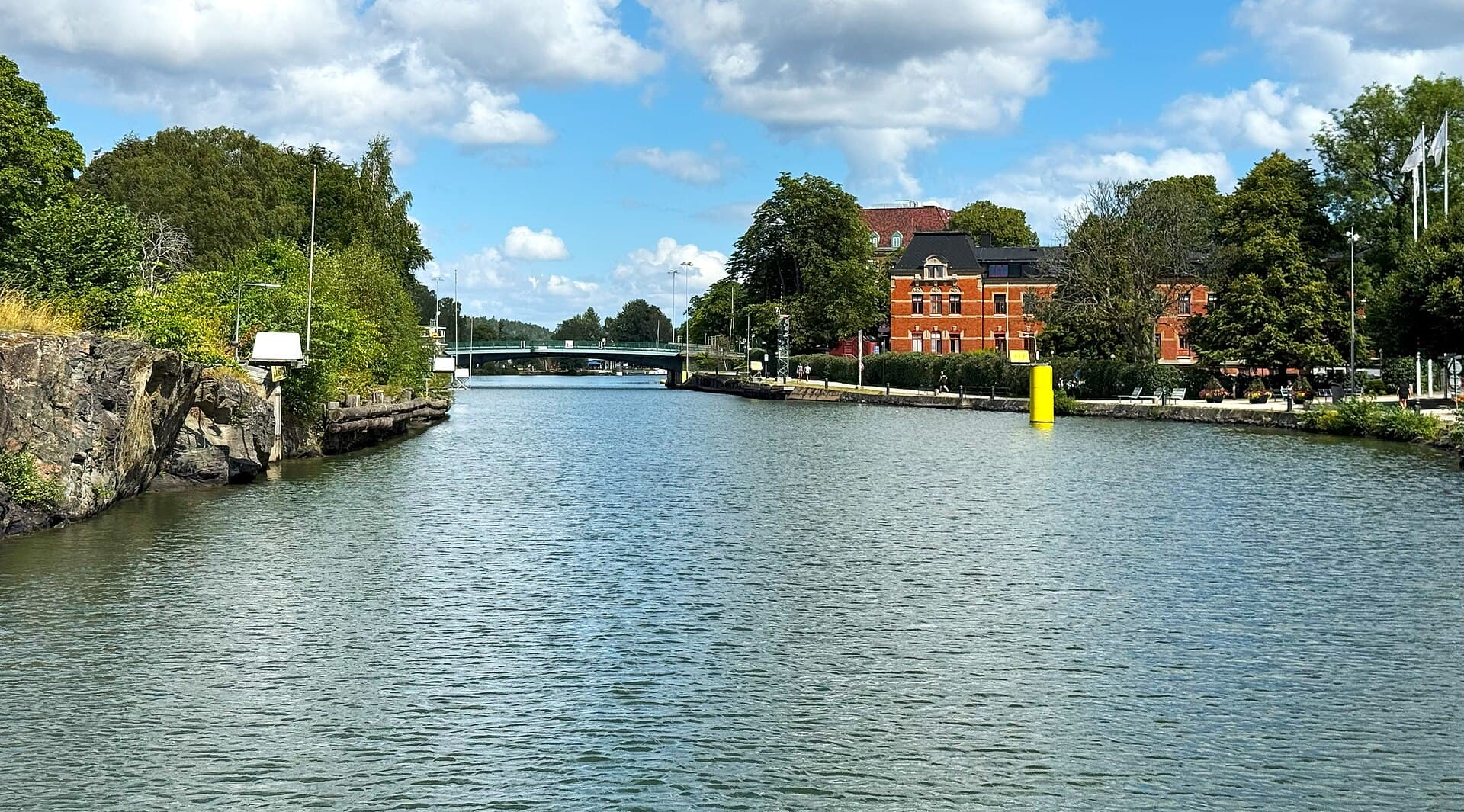
Parken 2 · Österlånggatan 55 · Trollhättan
Schwanska Villan
Where Sweden's hydropower made its home. From the canal company's administrative office to Vattenfall's cradle — 130 years of power by the Trollhättan Canal.
Parken 2 · Österlånggatan 55 · Trollhättan
Where Sweden's hydropower made its home. From the canal company's administrative office to Vattenfall's cradle — 130 years of power by the Trollhättan Canal.
The Property
By Klaffbron along the Trollhättan Canal lies Schwanska Villan — one of West Sweden's most distinctive buildings. Built in 1896 in French Renaissance style as administrative office and director's residence for the New Trollhättan Canal and Lock Company.
It was from here that Sweden's hydropower was administered. The canal company, which later became the Royal Vattenfall Board, directed the country's most ambitious energy projects from these rooms. The villa has witnessed turbines rise, streams tamed, and an entire nation electrified.
Today the property houses modern office space in a building that radiates history in every detail — from the ornate facade to the high-ceilinged rooms.
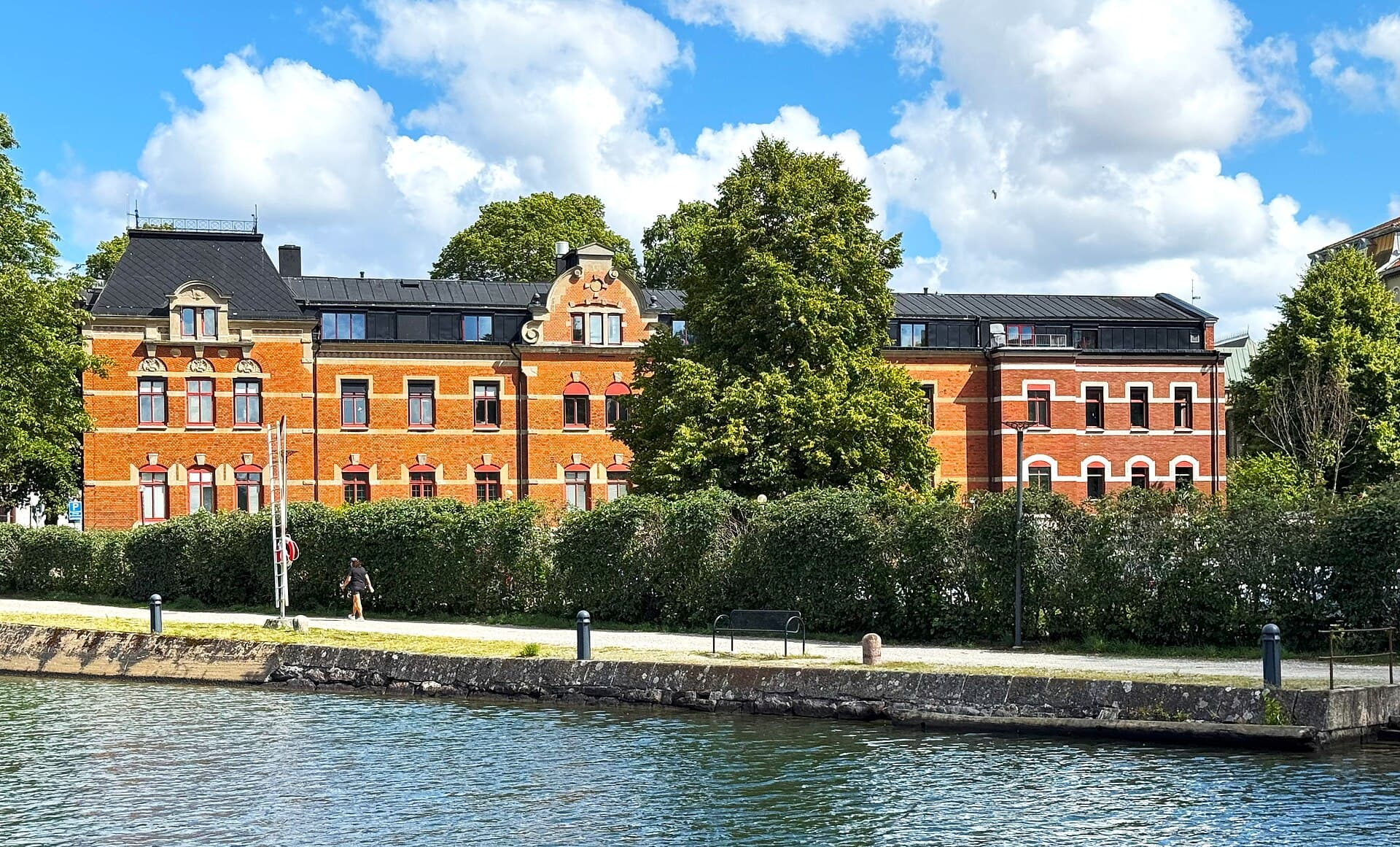
Schwanska Villan, Österlånggatan 55 — French Renaissance by the canal
CC BY-SA 4.0 — Sinikka Halme, Wikimedia Commons
Timeline
Trollhättan Falls have attracted visitors for centuries. The wild forces of the Göta River were tamed in the early 1800s with canal construction that enabled shipping between Lake Vänern and the sea.
Merchant Johan Gustaf Schwan organizes the founding of the New Trollhättan Canal Company to reconstruct and expand the lock system. By agreement with the state, the company gains the right to collect fees for shipping.
Gustaf de Laval starts the first electricity production from Trollhättan Falls at the Önans industrial area. A revolution — the power of waterfalls is transformed into electricity for the first time.
The canal company builds a new administrative office and director's residence by the canal, designed by architect Johan P. Rapp from Gothenburg. The house is built in French Renaissance style. Director Knut August Schwan gives the house its name.
After the Supreme Court in 1901 awarded the state the majority of water rights at Trollhättan Falls, the state acquires the New Trollhättan Canal Company. Schwanska Villan becomes state property.
Parliament decides in January 1909 to form the Royal Vattenfall Board under the leadership of Vilhelm Hansen. One of the world's largest energy companies takes shape — with roots in Schwanska Villan's premises. The following year, Olidan is inaugurated.
Under Vattenfall's ownership, the villa is expanded twice to house offices and operations center. The different expansion periods are visible in the varying colors of the masonry — a visual timeline on the facade.
Parallel to the rise of hydropower, NOHAB (1847) establishes itself and builds locomotives for the world. From NOHAB's aircraft engine division, Swedish Aeroplane Company — SAAB — is born in 1937. Trollhättan becomes one of Sweden's most important industrial cities.
Vimpelkullen Properties acquires Schwanska Villan and gives it new life as Trollhättan's most distinctive office address. With 2,100 sq.m. of modern offices in a building that was literally the cradle of Swedish hydropower.
Energy History
It was in these rooms that Sweden's energy revolution was administered. The New Trollhättan Canal Company, which built the villa in 1896, managed water rights at Trollhättan Falls — the same rights that in 1909 became the foundation of the Royal Vattenfall Board.
From Schwanska Villan's offices, the construction of Olidan, the state's first hydroelectric power station, was coordinated, inaugurated in 1910. From here the electrification was planned that transformed Sweden from an agricultural country to an industrial nation.
That Vattenfall — today one of Europe's largest energy companies with 20,000 employees — has its very first roots here, in this house by the canal, is one of Trollhättan's most remarkable stories.
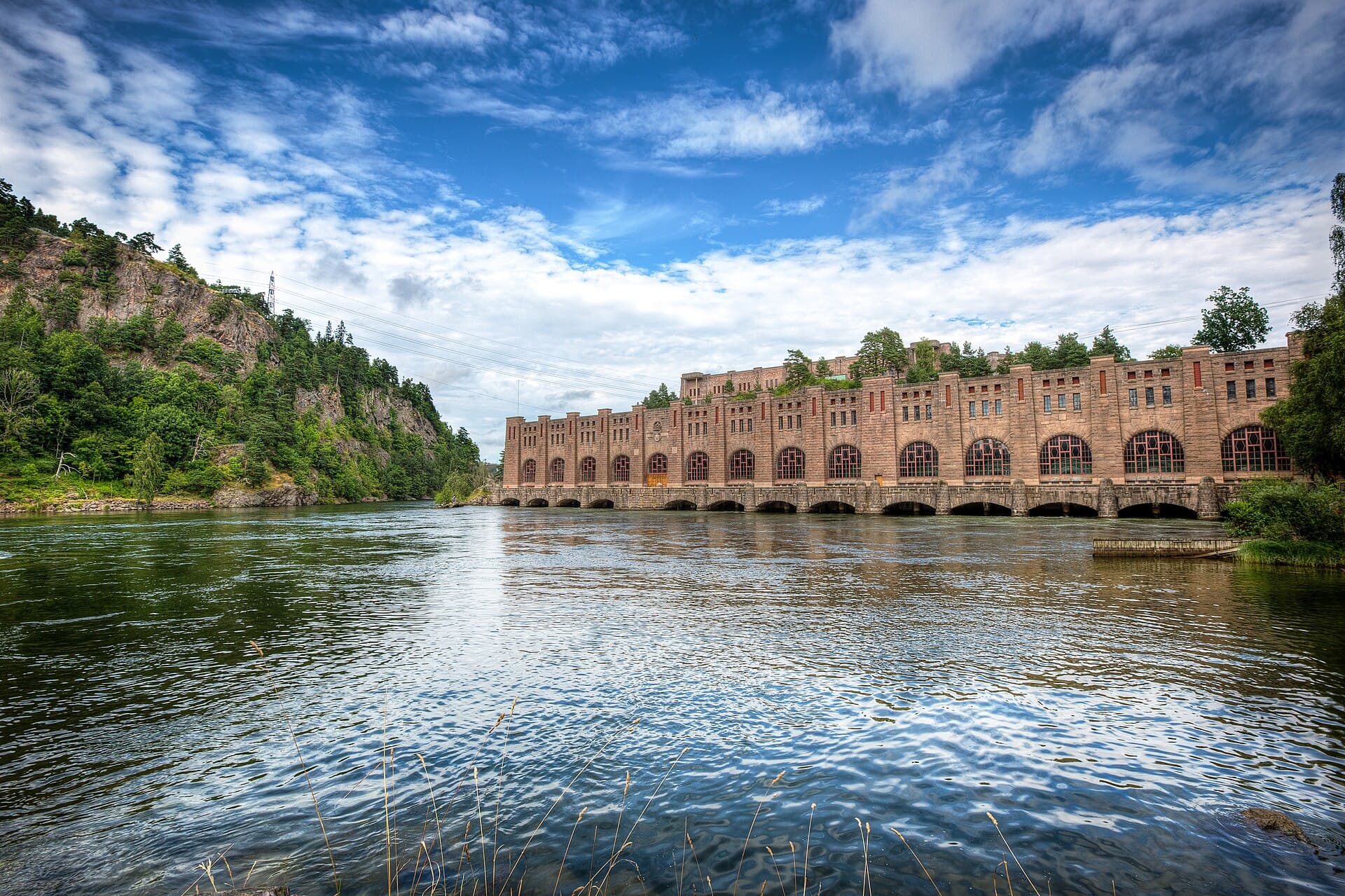
Olidan Power Station
The state's first hydroelectric power station — inaugurated in 1910
1910
Olidan Inaugurated
13
Turbines (1921)
20k
Employees Today
CC BY-SA 4.0 — Wikimedia Commons
»Hydropower made industry thrive. The first electricity production from Trollhättan Falls started a revolution that transformed an entire nation.«— From Trollhättan's Industrial History
Industrial City
The falls gave power. Power gave industry. Industry gave a city. Schwanska Villan stands in the middle of the story of how Trollhättan shaped modern Sweden.
1888–Today
From de Laval's first generator in 1888 to today's modern power plants. Trollhättan Falls still produces electricity for hundreds of thousands of households. Olidan, inaugurated in 1910, is the state's first and oldest hydroelectric power station.
1847–1979
Nydqvist and Holm AB — the legendary factory that built locomotives for the world. In 1920 NOHAB received a giant order for 1,000 freight locomotives from the Soviet Union. During the golden years, 2,800 people worked here.
1937–Today
Swedish Aeroplane Company was founded from NOHAB's aircraft engine division. Today the legacy continues as GKN Aerospace — still in Trollhättan, still powered by the force of the falls.
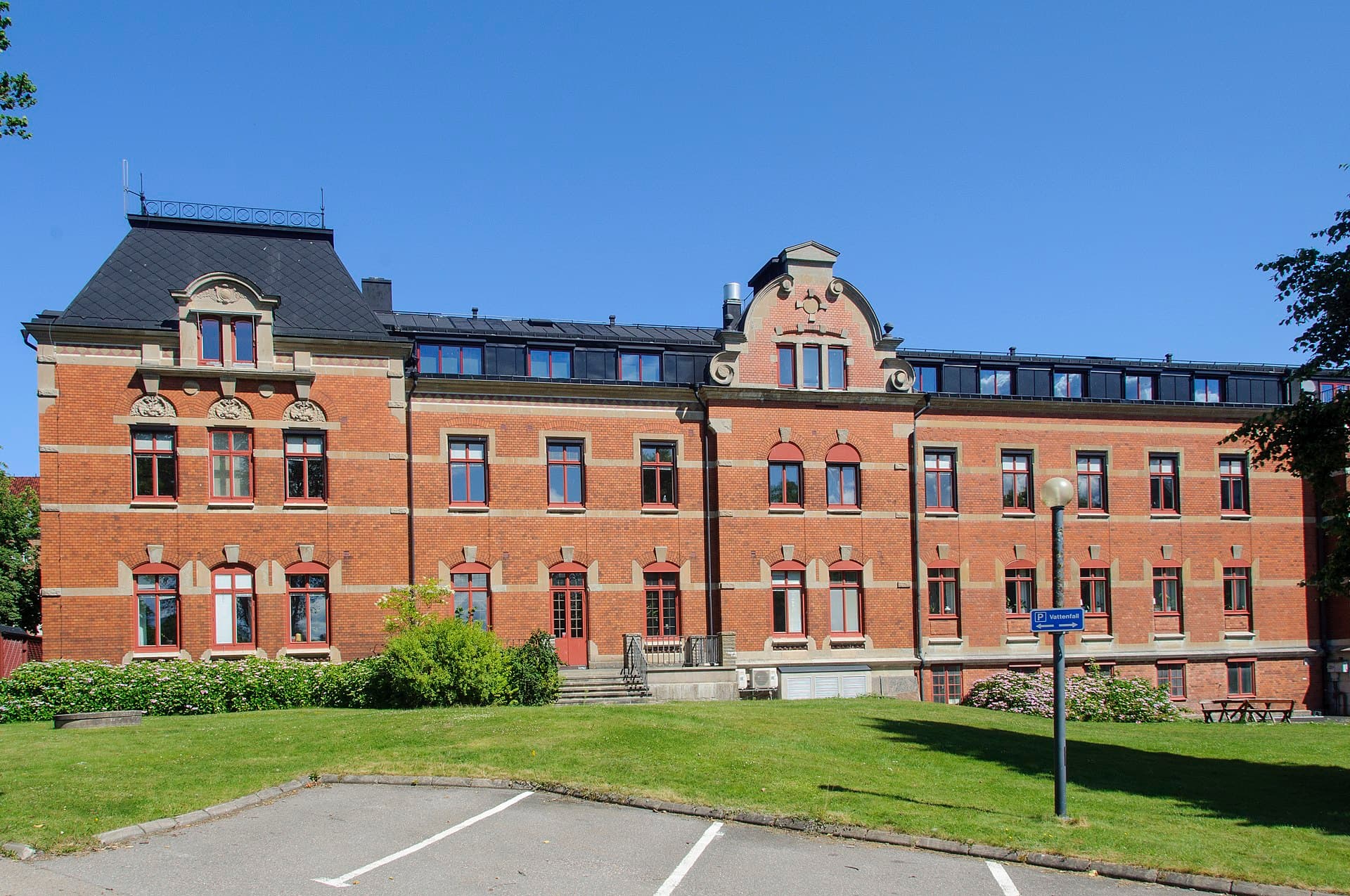
Schwanska Villan
Canal Company Administrative Building — Built in 1896
1838
Canal Company Founded
1896
Villa Built
1898
K. A. Schwan Passes
CC BY-SA 4.0 — I99pema, Wikimedia Commons
The People
Johan Gustaf Schwan, merchant and entrepreneur, organized in 1838 the founding of the New Trollhättan Canal Company to reconstruct the old lock system. Under his leadership, one of the 19th century's most ambitious infrastructure projects was completed.
His son Knut August Schwan (1834–1898) became the company's director and it was as his residence and office that the villa was built in 1896, designed by Gothenburg architect Johan P. Rapp in French Renaissance style. The villa's name — Schwanska Villan — honors the family that tamed the canal's waters.
The Villa Today
Schwanska Villan today houses a mix of creative education and modern business activities — in the same spirit of progress that has always characterized the building.
Part of the Academedia group. LBS educates the next generation of creators in sound, image, graphic design, and game development. The school's creative energy fills the villa's historic rooms with new life.
Technology company driving innovation from the villa's office floors. With 659 sq.m. of modern office space in a building with 130 years of history, a unique work environment is created.
The energy company born in these rooms in 1909 has never completely left Schwanska Villan. Vattenfall still rents parking spaces at the property — a beautiful circle and a living link to the building's most remarkable chapter.
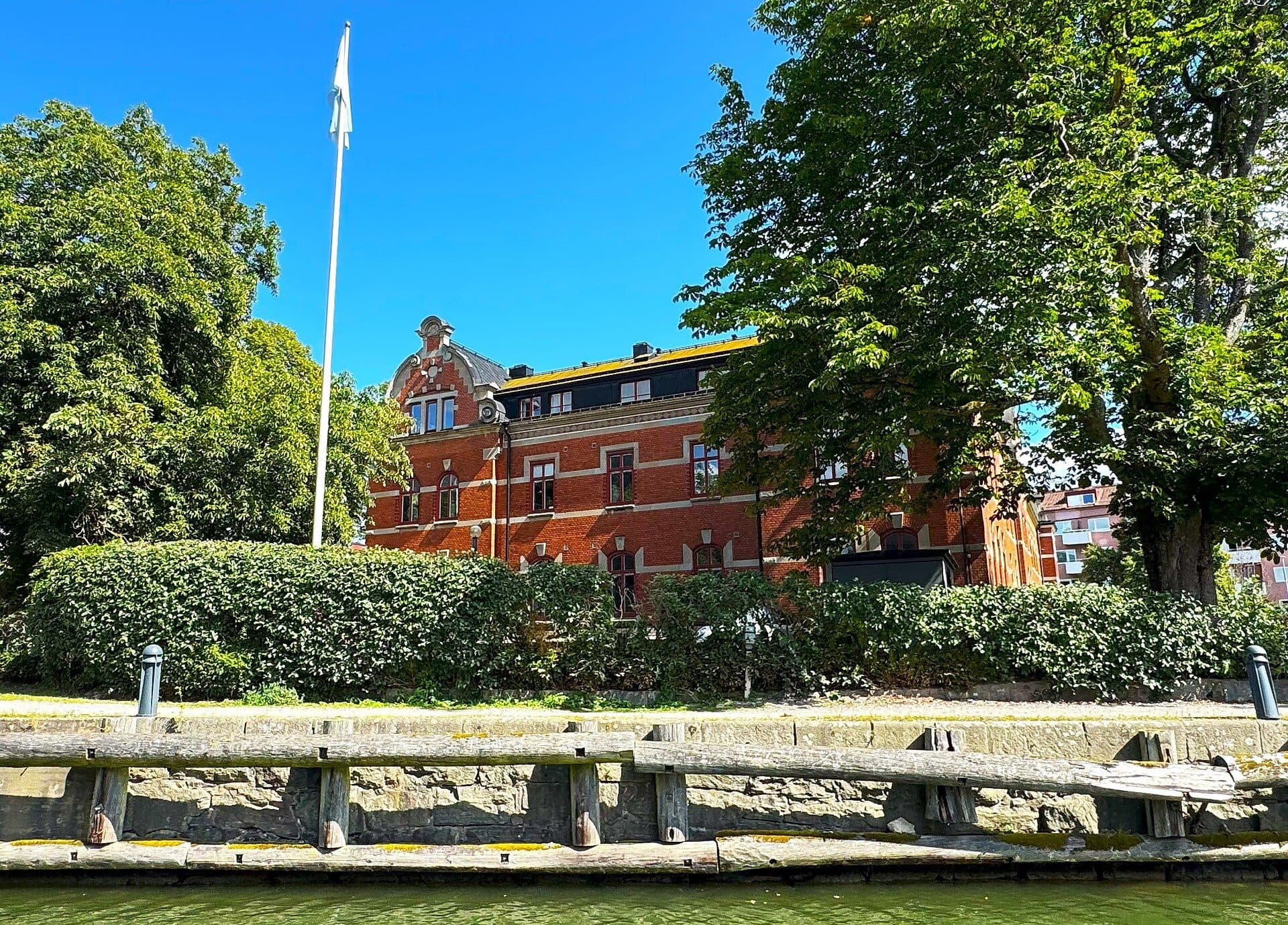
Schwanska Villan is designed by architect Johan P. Rapp from Gothenburg — known for his elegant style. The three building periods (1896, 1932, 1983) are visible in the varying colors of the masonry and give the building a unique visual timeline. The facade, with its ornaments and symmetrical window rows, is one of Trollhättan's best-preserved examples of late 19th-century architecture.
CC BY-SA 4.0 — Sinikka Halme, Wikimedia Commons
Vimpelkullen Today
Vimpelkullen manages Schwanska Villan with deep respect for the building's extraordinary history. From these rooms Sweden's hydropower was administered — today they offer modern, inspiring office space in one of the country's most distinctive buildings.
With 2,100 sq.m. of offices spread over multiple floors, by Klaffbron with views over the Trollhättan Canal, the property combines 19th-century craftsmanship quality with today's demands for technology and comfort.
French Renaissance, preserved original details
By Klaffbron, views over Trollhättan Canal
Modern spaces across three building periods
Vattenfall's cradle — energy history in the walls
1896
Year Built
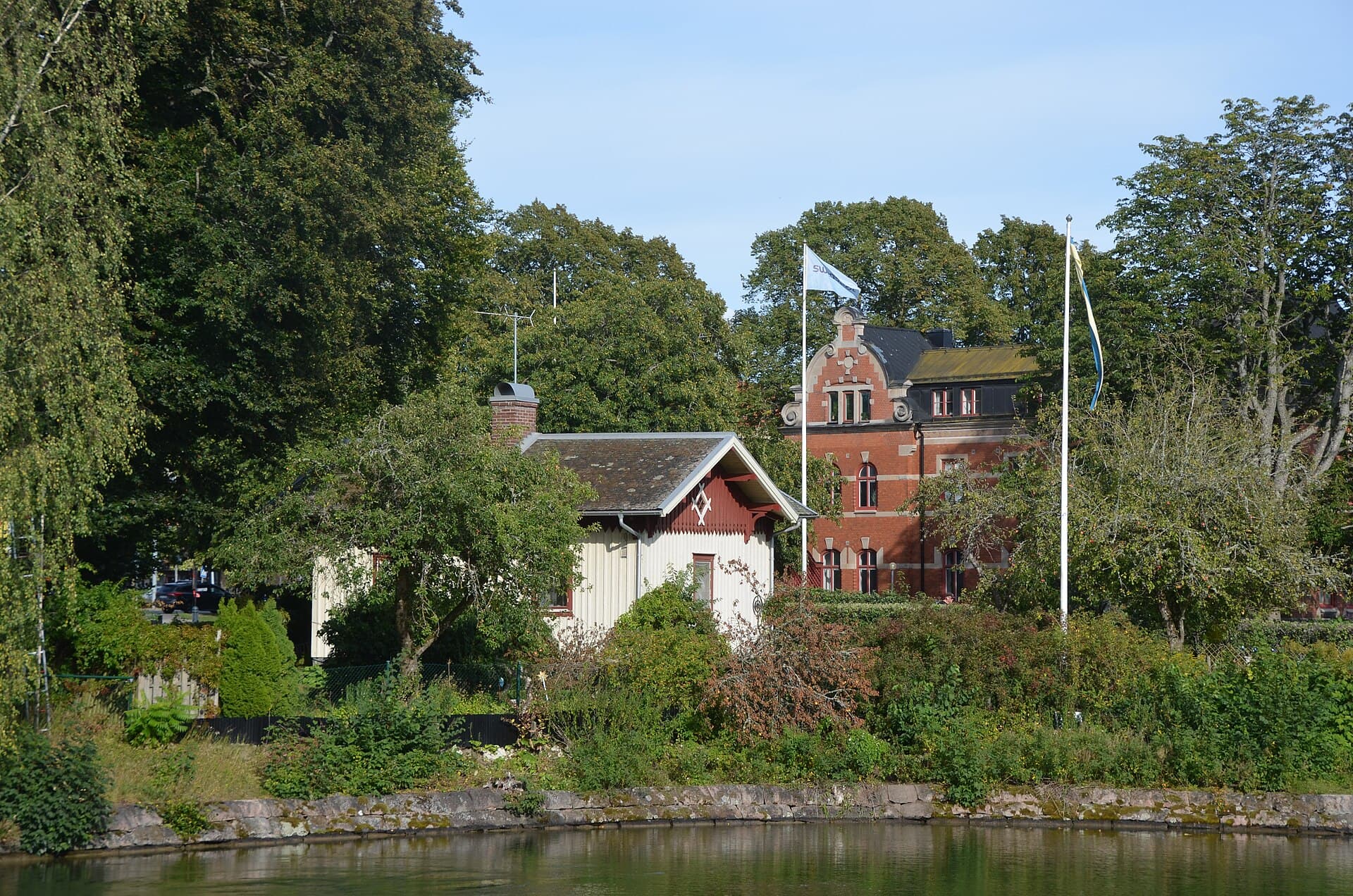
Schwanska Villan and Brovaktarhuset by Klaffbron — the heart of the canal in Trollhättan.
CC BY-SA 4.0 — Bengt Oberger, Wikimedia Commons
Photo Gallery
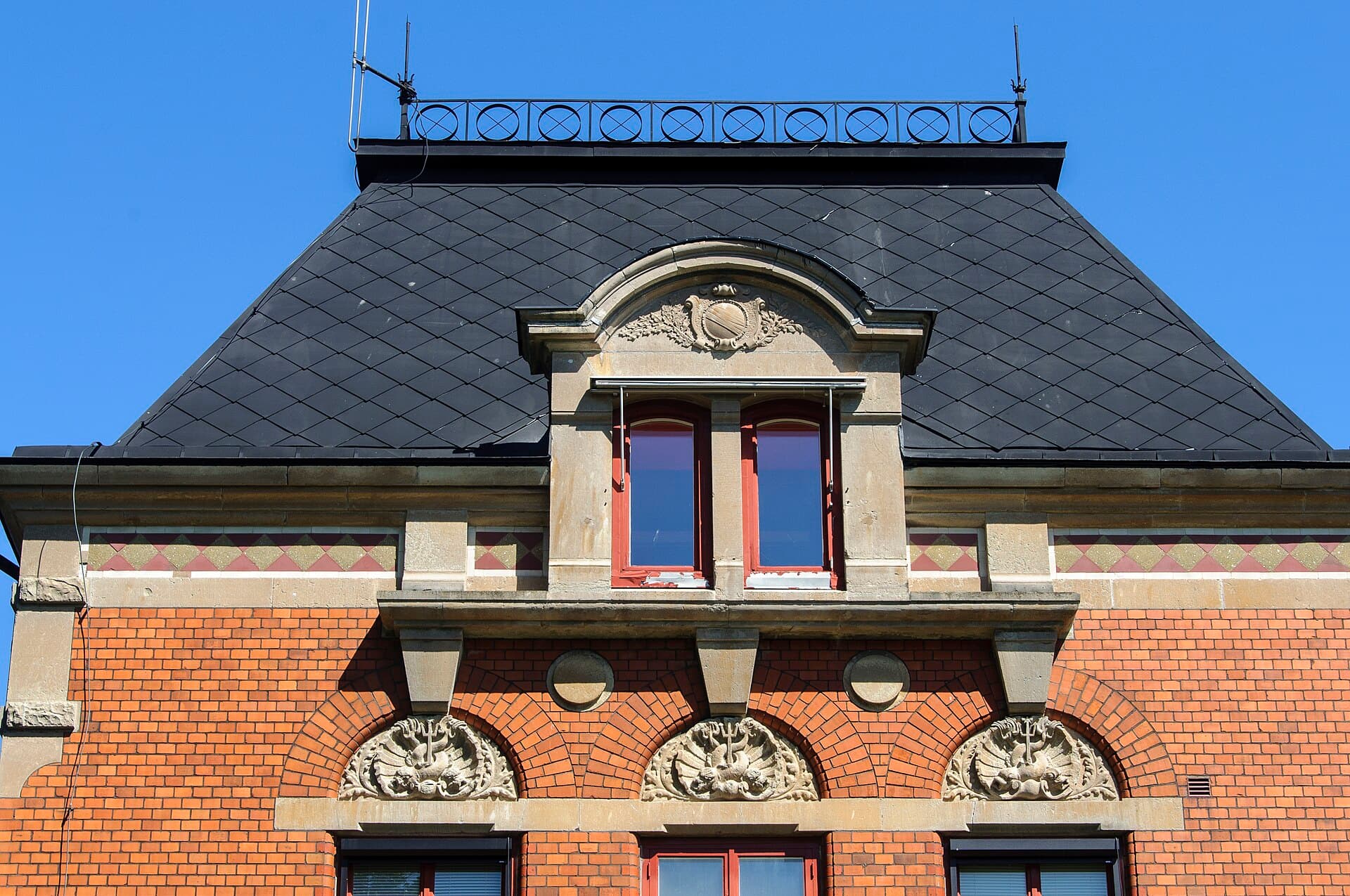
The canal company building
CC BY-SA 4.0
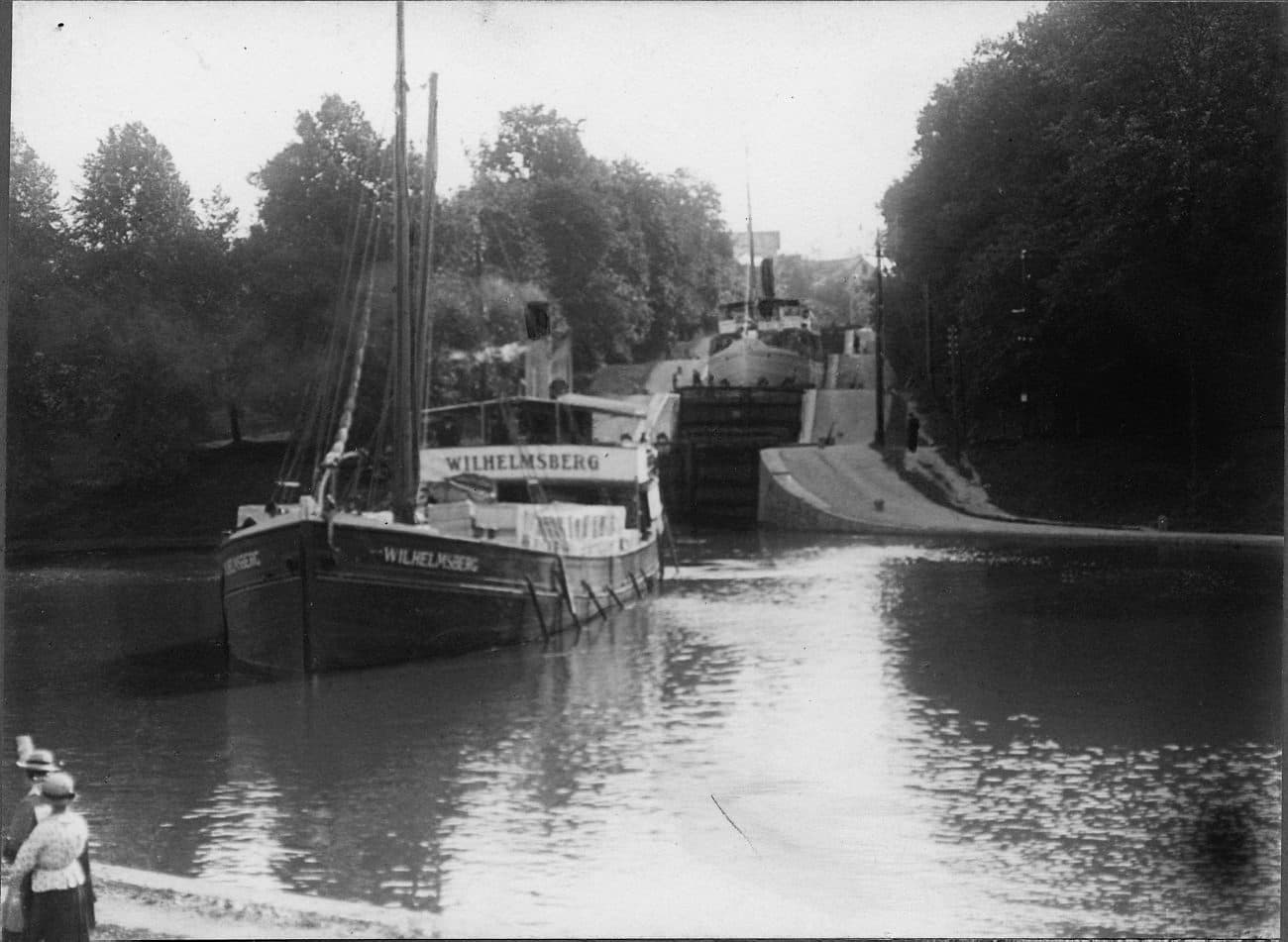
Trollhättan Canal
CC BY 2.0
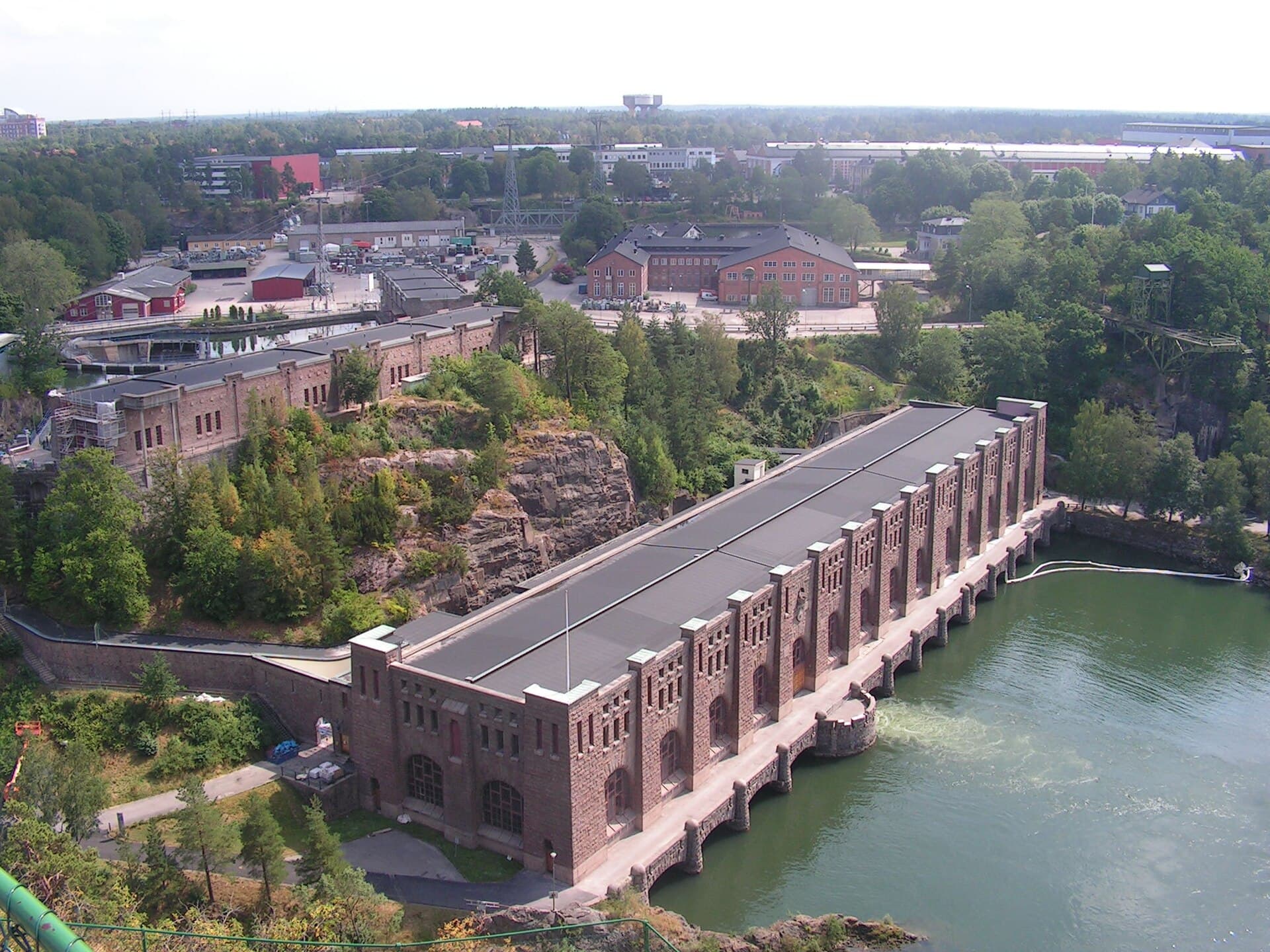
Olidan from Kopparklinten
CC BY-SA 4.0
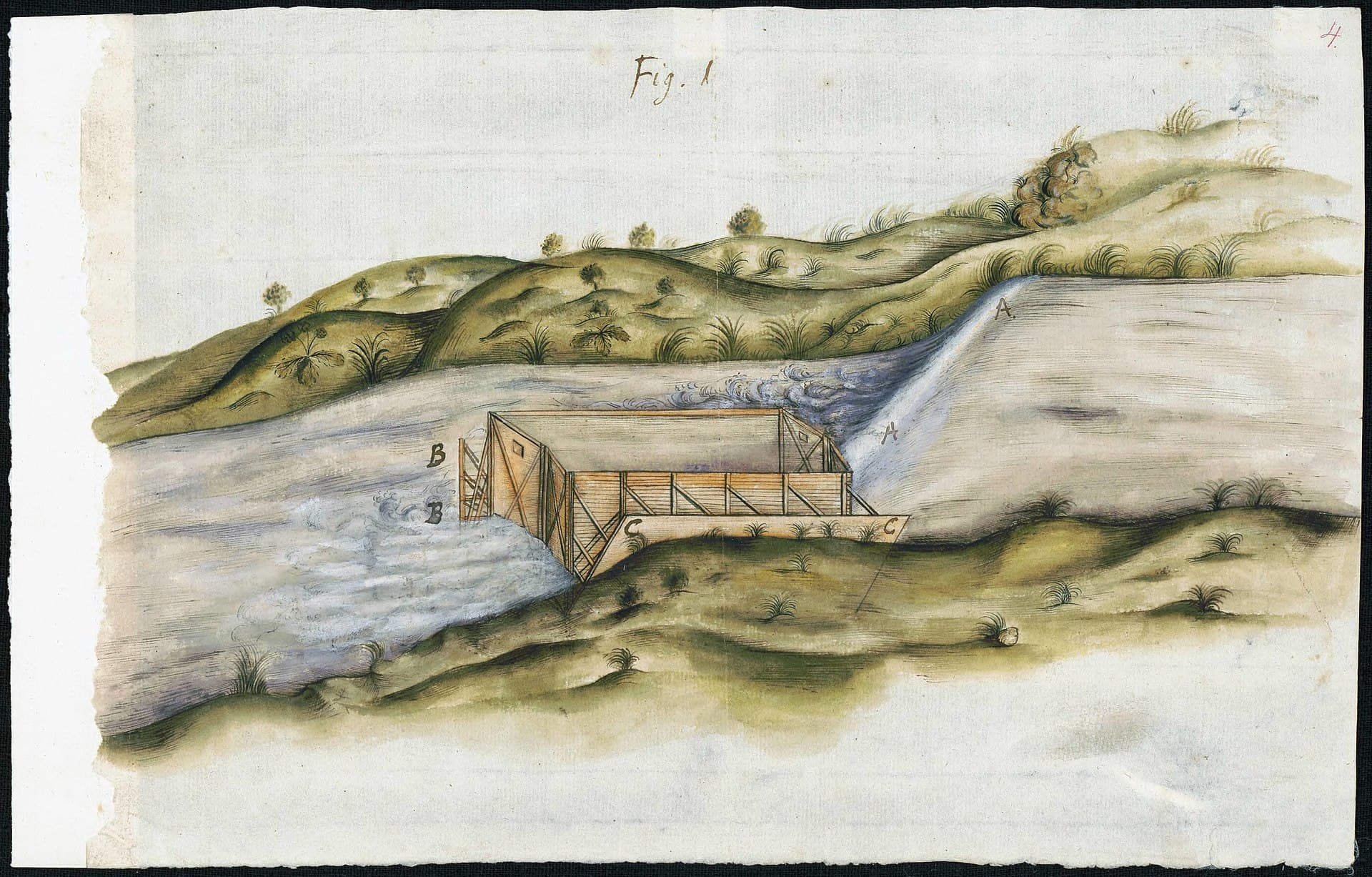
Trollhättan Locks — historical painting
Public domain
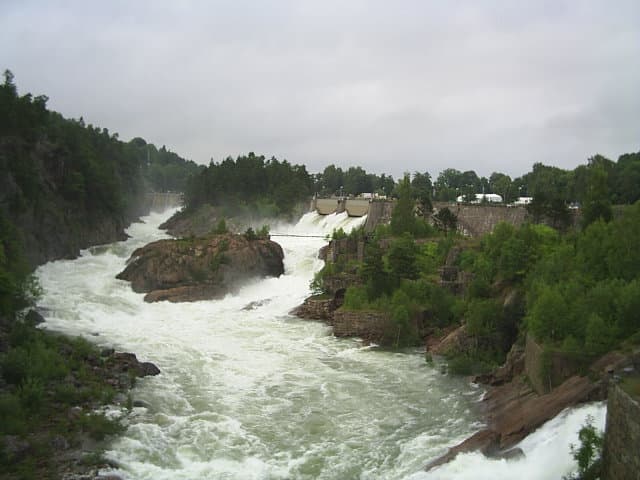
Trollhättan Falls
Public domain
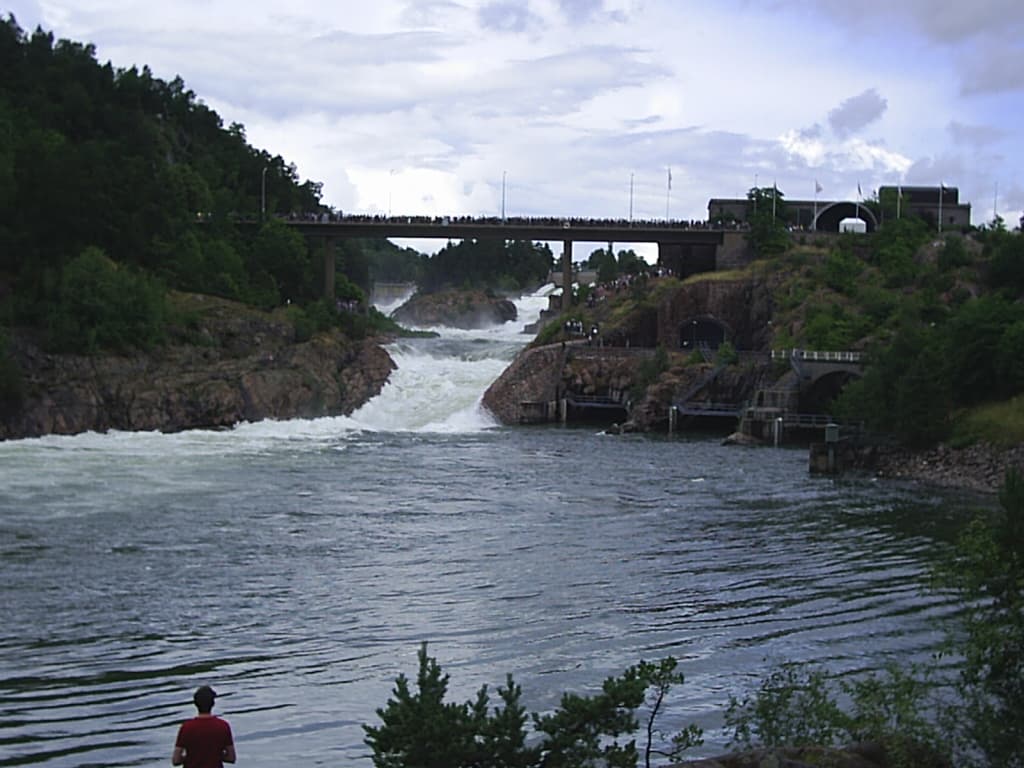
Days of the Falls — Trollhättan
CC BY-SA 3.0
Want your business in the building where Vattenfall was born? Contact us to book a viewing of Schwanska Villan's offices.